Mechanism of Action
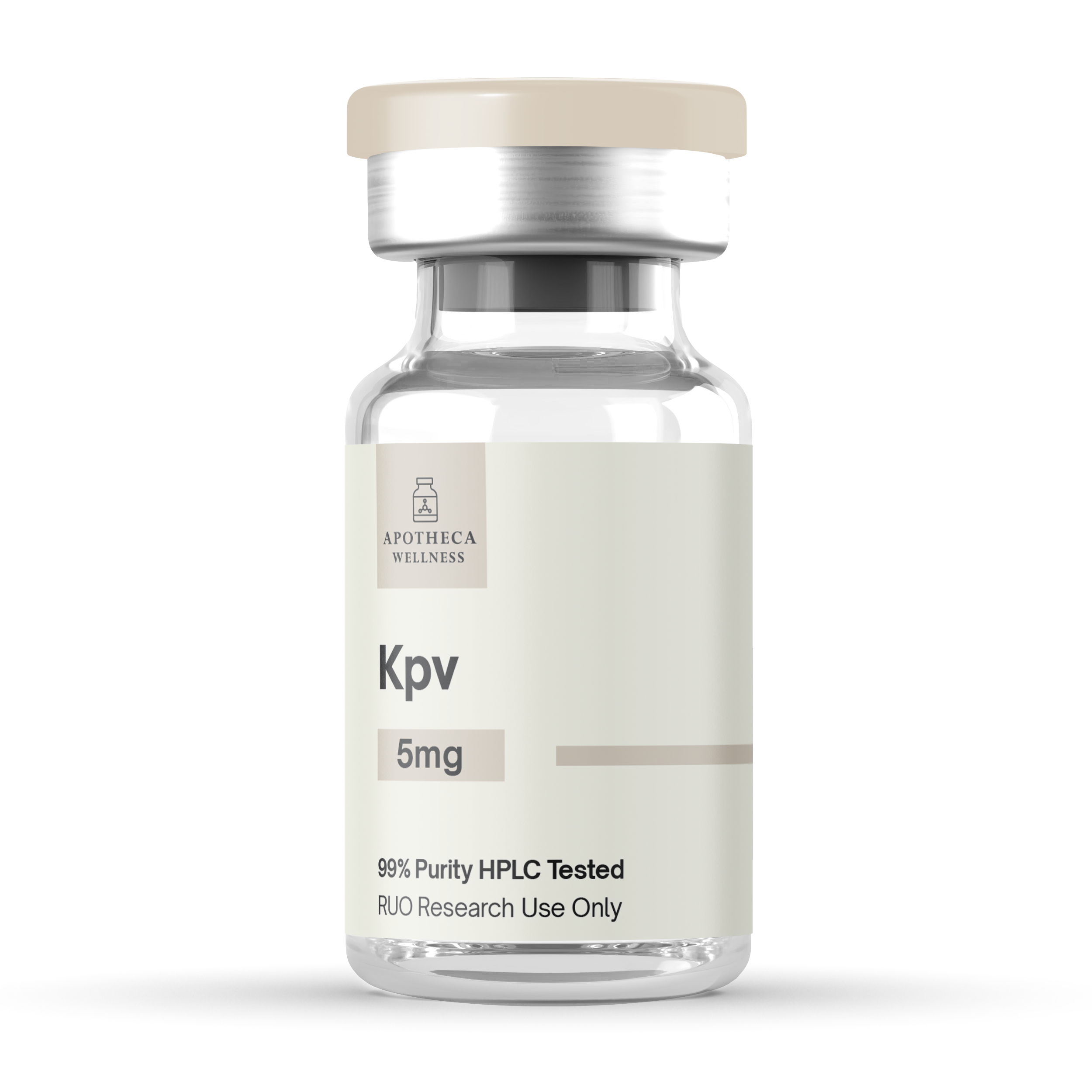
KPV (Lysine–Proline–Valine) is a short tripeptide fragment derived from α-melanocyte-stimulating hormone (α-MSH). It is studied for its role in modulating inflammatory signaling pathways at the cellular level. Research suggests that KPV inhibits activation of the NF-κB pathway, a key regulator of inflammatory gene expression, while also influencing cytokine signaling and oxidative stress responses. Unlike its parent hormone, KPV demonstrates activity independent of melanocortin receptor pathways, allowing it to function through alternative intracellular mechanisms.
Potential Research Applications
- Inflammatory pathway modulation studies
- Gut and epithelial barrier research models
- Skin physiology and tissue signaling studies
- Oxidative stress and immune signaling research
- Cytokine regulation and cellular response analysis
Typical Research Cycles
Research involving KPV is typically conducted within controlled experimental timeframes depending on study objectives. Due to its small peptide structure and stability, KPV is often evaluated in both short-term and extended observational models focusing on cellular response and signaling dynamics.
Example Research Dosing
Dosing parameters are determined strictly within controlled research environments and vary based on experimental design, peptide concentration, and delivery method. Researchers typically calculate dosage based on reconstitution ratios and desired concentration outcomes.
Reconstitution Guide
KPV is supplied as a lyophilized powder and may be reconstituted using bacteriostatic water or a sterile diluent. The solution should be mixed gently without shaking to preserve peptide structure. Standard sterile laboratory handling procedures should be followed throughout preparation.
Storage Information
- Store lyophilized product at 2–8°C
- For long-term storage, keep at -20°C
- Protect from light and moisture
- Avoid repeated freeze-thaw cycles
Stability & Shelf Life
When stored properly in its lyophilized form, KPV maintains stability over extended periods. Once reconstituted, the solution should be stored under refrigeration and used within a limited timeframe according to research protocols.
Related Peptides
BPC-157
TB-500
GHK-Cu
α-MSH derived peptides
Research Disclaimer
For research purposes only. Not for human use. This product is not intended to diagnose, treat, cure, or prevent any disease.